Softaline: The Font That Elevates Your Brand
Last week, I was sitting at my kitchen table, staring at a blank label for a new line of lavender-scented candles I was launching. I had spent weeks designing the packaging, choosing colors, and planning the branding, but something felt off. It wasn’t the colors or the layout—it was the font. It looked too stiff, too formal, and it didn’t match the cozy, handcrafted vibe I wanted to convey.
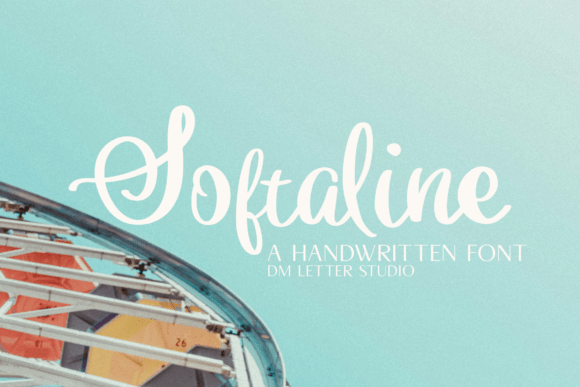
I knew I needed a change. That’s when I remembered Softaline. A friend had mentioned it in passing, and I thought it might be just what I needed. After a quick search, I found Softaline in the Script Amp category, and it immediately caught my eye. It wasn’t just another script font—it was soft, flowing, and warm, with a natural feel that made me think of handwritten notes from a friend.
The Right Font for the Right Moment
Softaline is more than just a pretty font. It’s a typeface designed to feel personal and calm, with smooth strokes that make it easy to read even in small sizes. When I first used it on my candle labels, the difference was instant. The text felt like it belonged on a handmade card rather than a mass-produced box. It gave my brand a sense of authenticity and care that I hadn’t been able to achieve before.
What I love most about Softaline is how versatile it is. Whether I’m designing a thank-you card, creating a social media graphic, or updating my website banner, it adapts well to different formats. It works beautifully as a headline font, adding a touch of elegance without being too flashy. It also pairs nicely with a clean sans serif font for contrast, making it ideal for both display text and supporting typography.
From Labels to Menus: Where Softaline Shines
I’ve since started using Softaline across multiple areas of my business. For example, I redesigned my café menu using this font for the headings and product names. It brought a fresh, inviting look to the page, and customers seemed to notice right away. One regular even asked if I had hired a designer—nope, just a font.
Softaline also works well for product tags. I recently added it to my boutique’s gift wrap tags, and the result was a subtle yet effective upgrade. It feels personal and intentional, which aligns with the brand’s mission of offering thoughtful, curated items. And because it reads smoothly, even on small labels, it doesn’t compromise readability.
When it comes to online shop graphics, Softaline is a game-changer. I’ve used it in banners, social media posts, and email templates, and it consistently enhances the visual appeal without overwhelming the message. It’s especially useful for short phrases or headlines where you want to grab attention quickly.
Typography That Builds Trust
As a small business owner, I know that first impressions matter. Typography plays a huge role in how customers perceive your brand. A font that feels too rigid can make your brand seem unapproachable, while one that’s too playful might come off as unprofessional.
Softaline strikes the perfect balance. Its soft, flowing style conveys warmth and approachability, which is essential for brands that want to connect with their audience on a personal level. It also helps build trust by making your content feel more authentic and less manufactured. Customers are more likely to remember your brand—and return—for a font that feels like it was written by a real person.
Practical Tips for Using Softaline
If you’re considering Softaline for your own business, here are a few tips to get the most out of it:
- Check file formats: Make sure you have access to all necessary file types, including OTF and TTF, so you can use it across different platforms and software.
- Test readability: Always preview your designs on different devices and screen sizes. Softaline works well on mobile screens and printed materials, but avoid using it for very small text.
- Pair wisely: Combine it with a clean sans serif or elegant serif font for contrast and balance. This creates a professional yet friendly look that’s easy on the eyes.
- Use ligatures and alternates: These features can add a nice touch of personality to your design without making it too busy.
- Licensing matters: Ensure you have the proper commercial license before using the font on products, packaging, or digital downloads.
Softaline is a great choice for businesses looking to enhance their brand identity through thoughtful typography. Whether you’re running a boutique, selling handmade goods, or managing an online store, the right font can make all the difference in how your brand is perceived.
For now, I’m still experimenting with Softaline, trying new ways to incorporate it into my design workflow. But one thing is clear—this font has become a staple in my toolkit. It adds a touch of personality and professionalism that I couldn’t achieve with any other typeface. If you’re looking for a font that feels both modern and personal, I highly recommend giving Softaline a try.